
- By Charlotte Brown
- February 24, 2026
Yuzu is known for its bright, aromatic, and refreshingly tart flavor profile.
Originating in Japan, this distinctive fruit delivers a complex flavor profile that sits somewhere between lemon, grapefruit, and mandarin. As global menus continue to embrace refined citrus applications, yuzu sauce has emerged as a versatile tool for balance, contrast, and clarity across courses.
This guide explores practical, chef-driven ways to use yuzu sauce made with frozen yuzu fruit purée, focusing on technique, pairing strategy, and real-world applications designed for efficiency and consistency in professional environments.
What Is Yuzu? Understanding Its Flavor and Culinary Value
What does yuzu taste like?
Yuzu has a complex citrus flavor that combines elements of lemon, grapefruit, and mandarin, with a distinctly aromatic finish. Yuzu offers bright acidity balanced by floral notes and gentle bitterness, making it ideal for refined culinary applications.
How does yuzu differ from other citrus fruits?
What sets yuzu apart is its aroma-first profile. While lemon or lime delivers direct acidity, yuzu contributes fragrance, depth, and structure. Its acidity feels rounded rather than aggressive, allowing chefs to layer flavor without overwhelming proteins, sauces, or desserts.
Why do chefs value yuzu?
Professional chefs use yuzu not for intensity, but for precision. It enhances dishes by adding lift and contrast while preserving the integrity of other ingredients. This makes yuzu especially effective in:
- Seafood and shellfish preparations
- Umami-forward sauces and marinades
- Pastry and dessert applications requiring clean citrus definition
Because of its versatility and restraint, yuzu has become a key ingredient for chefs seeking to elevate both sweet and savory menus with clarity and composure.
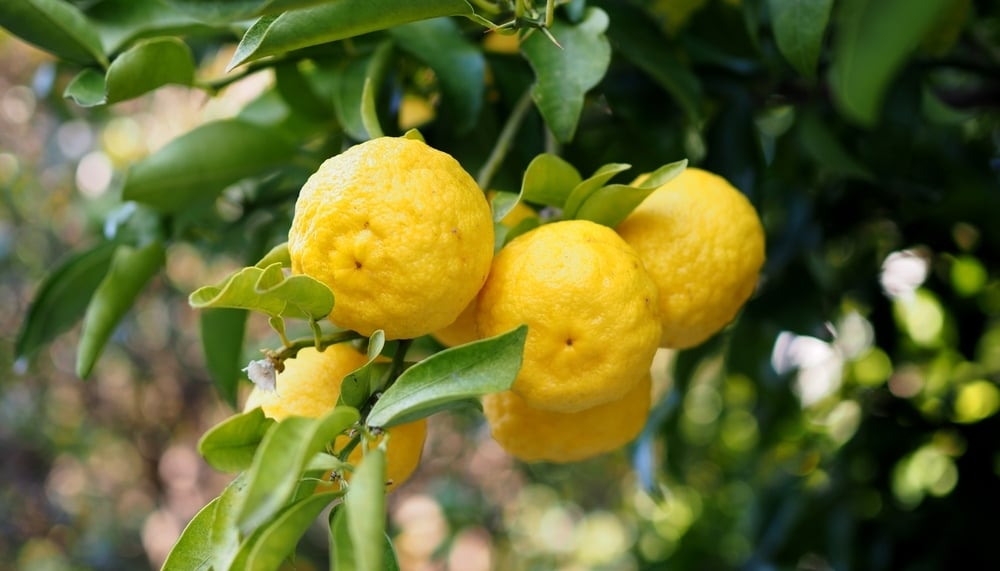
Why Professionals Use Amifruit Frozen Yuzu Fruit Purée
Amifruit Frozen Yuzu Fruit Purée is made using only yuzu fruit and sugar, preserving the authentic flavor and aroma of this prized Japanese citrus.
With no additional ingredients, the purée delivers a clean, true-to-fruit expression that chefs can rely on for both sweet and savory applications.
Sourcing fresh yuzu can be inconsistent, seasonal, and costly. Amifruit’s frozen yuzu purée eliminates these challenges while maintaining culinary integrity. Professional kitchens benefit from:
- Consistent flavor and acidity across every batch
- Year-round availability without sourcing limitations
- Reduced prep time and minimal waste
By using a frozen purée, chefs gain control and predictability—critical for menu consistency and repeatable results.

How to Create Yuzu Sauce in a Professional Kitchen
How do chefs make yuzu sauce?
In professional kitchens, yuzu sauce is typically created by blending yuzu purée with complementary fats, sweeteners, or umami elements to achieve balance and versatility.
Using Amifruit Frozen Yuzu Fruit Purée as a base allows chefs to build sauces that deliver consistent citrus flavor while remaining adaptable across menu applications.
Key considerations when working with yuzu purée:
- Adjust sweetness gradually to maintain balance
- Use gentle heat to preserve aroma
- Control viscosity based on application (drizzle, glaze, or emulsion)
Yuzu Flavor Pairing Guide for Chefs
What proteins pair best with yuzu?
Yuzu pairs exceptionally well with light, delicate proteins that benefit from brightness and aromatic lift. Its acidity enhances natural sweetness without masking texture or nuance.
Recommended protein pairings include:
- Seafood: scallops, tuna, shellfish, oysters
- Poultry: chicken, duck, turkey
Yuzu sauce works particularly well as a finishing element or light marinade, where its citrus aroma remains intact.
Seasonal menu inspiration:
Yuzu shines on spring and summer menus, where its freshness complements lighter preparations, seasonal vegetables, and fruit-driven desserts.
Why Yuzu Works Across Sweet and Savory Menus
Acid balance without harshness
Unlike sharper citrus fruits, yuzu delivers acidity that feels rounded and composed, allowing chefs to add contrast without overwhelming other flavors.
Aromatic complexity that elevates simple preparations
Yuzu’s aroma adds depth and refinement, making even minimalist dishes feel intentional and layered. This makes yuzu sauce especially effective in clean, modern preparations.
Versatility across courses and formats
From dressings and marinades to desserts and beverages, yuzu adapts easily—allowing chefs to use one ingredient across multiple applications while maintaining balance and consistency.
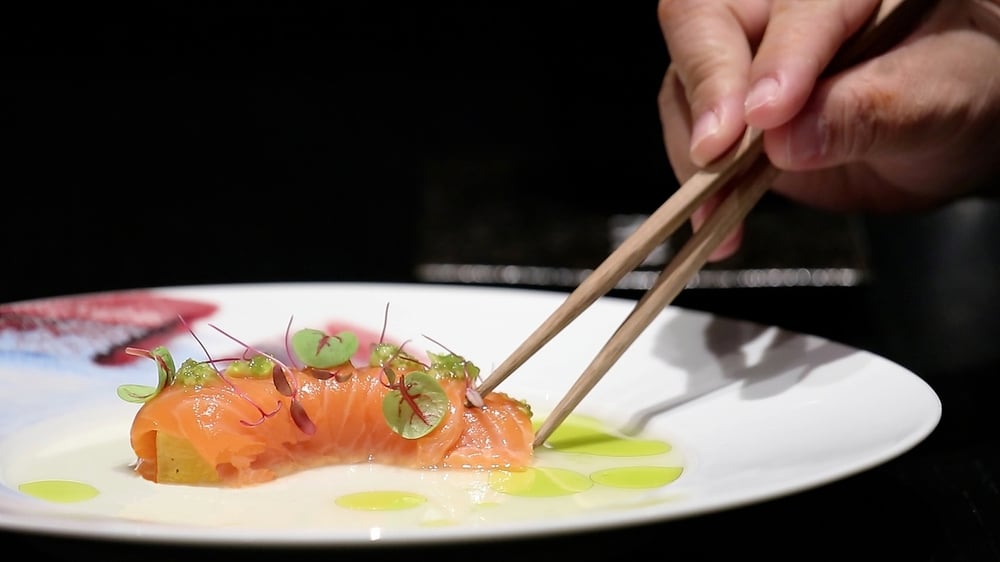
Savory Applications for Yuzu Sauce
Across savory menus, yuzu sauce brings structure and freshness, making it a versatile component for dressings, marinades, composed plates, and more.
Dressings and Finishing Sauces
Yuzu sauce performs well in:
- Vinaigrettes
- Emulsified sauces
- Finishing oils
Its acidity brings clarity, while its aroma enhances plated presentations.
Marinades for Light Proteins
Yuzu sauce can be used to gently marinate seafood, poultry, and other light proteins, adding citrus character without denaturing texture.
Savory Pairing Ideas
For best results, pair yuzu sauce with:
- Seafood: scallops, tuna, shellfish
- Umami-forward ingredients: soy sauce, miso, dashi
- Seasonal vegetables: spring greens, summer squash, young root vegetables
These combinations highlight yuzu’s balance and restraint.
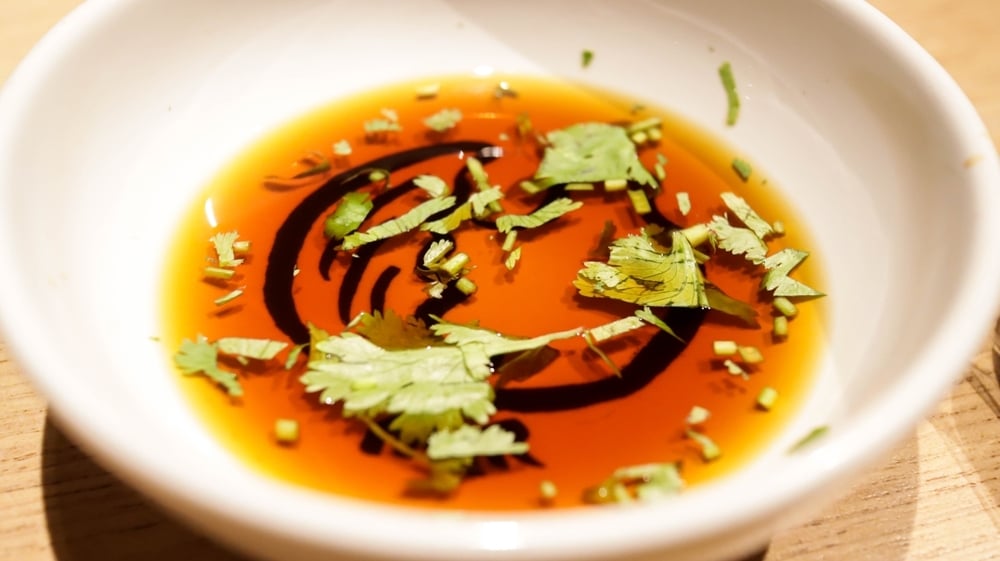
Sweet Applications for Yuzu Purée and Sauce
In sweet preparations, yuzu purée and sauce provide structure, aroma, and contrast—making them especially effective in refined pastry and dessert menus.
Frozen Desserts
Yuzu purée is ideal for:
- Sorbets
- Ice creams
Its acidity provides structure and refreshment, especially in warm-weather menus.
Pastry Applications
In pastry kitchens, yuzu is commonly used in:
- Mousses
- Bavarois
- Pâte de fruits
Its citrus profile cuts richness while adding aromatic lift.
Toppings and Plated Dessert Accents
Yuzu sauce works well as a glaze, drizzle, or finishing accent, adding brightness and visual appeal.
Recommended dessert pairings include:
- Chocolate (white and dark)
- Stone fruit, berries, and tropical fruits

Beverage and Cocktail Uses for Yuzu Sauce
For beverage menus focused on elegance and restraint, yuzu sauce provides a versatile citrus foundation for cocktails, spritzes, and alcohol-free offerings.
Cocktails and Mocktails
Yuzu sauce or purée can be incorporated into both alcoholic and non-alcoholic beverages, offering citrus complexity without excessive sharpness.
Balancing Sweetness and Acidity
For beverages, careful calibration is key. Yuzu’s acidity should be softened with controlled sweetness to maintain drinkability and aroma.
Syrups and Non-Alcoholic Programs
Yuzu performs well in:
- Citrus syrups
- Spritz-style beverages
- Refined non-alcoholic cocktail programs
This versatility makes yuzu a valuable ingredient for beverage menus focused on balance and sophistication.

FAQ: Working With Yuzu in Professional Kitchens
Q. What does yuzu taste like?
A. Yuzu has a bright, aromatic citrus flavor, with notes of lemon, grapefruit, and mandarin. Its acidity is balanced and rounded, with a floral finish that adds depth rather than sharpness, making it well-suited for refined culinary applications.
Q. How do chefs use yuzu sauce?
A. Chefs use yuzu sauce across both savory and sweet preparations.
Common savory applications include vinaigrettes, emulsified sauces, marinades for seafood or poultry, and finishing sauces. On the sweet side, yuzu sauce is used in desserts, glazes, and beverages to add freshness, contrast, and aromatic lift.
Q. What is yuzu purée made from?
A. Amifruit Frozen Yuzu Fruit Purée is made with only yuzu fruit and sugar. This simple composition preserves the authentic flavor and aroma of Japanese yuzu while delivering consistency and reliability for professional kitchens.
Q. Can yuzu be used in desserts and cocktails?
A. Yes. Yuzu is widely used in desserts and beverages, including sorbets, mousses, ice creams, cocktails, mocktails, and citrus syrups.
Want To Elevate Your Menu with Amifruit Yuzu?
Amifruit Frozen Yuzu Fruit Purée provides chefs with a dependable way to work with yuzu year-round, without the sourcing challenges of fresh fruit.
Its consistent flavor, controlled sweetness, and professional packaging allow chefs to create yuzu sauce with confidence—whether for savory dishes, pastry applications, or beverage programs.
Explore Amifruit’s Frozen Yuzu Fruit Purée and other purée offerings, including blood orange, lychee, and guava, to bring refined citrus balance and creative flexibility to your kitchen.